Selective Clearing That Preserves Healthy Trees
Tree Removal & Grove Thinning in Havelock for properties where overgrown groves, dead timber, or fire-prone vegetation create hazards or limit land use
Dense groves where trees grow too close together develop weak trunks, shallow root systems, and increased susceptibility to wind damage because they compete for sunlight and nutrients rather than growing with adequate spacing. Dirt Workz handles tree removal and grove thinning in Havelock for residential and rural properties where selective clearing improves forest health, reduces wildfire fuel loads, or removes dead and dying trees before they fall onto structures or power lines. The work matters when windbreaks have outgrown their intended density, when diseased trees threaten healthy specimens, or when undergrowth has created impassable thickets that prevent property access and increase fire risk.
Thinning involves selectively removing trees to reduce density while preserving the strongest, healthiest specimens that will grow larger once competition is eliminated. Dead tree removal clears standing snags that attract insects and create falling hazards, and brush management reduces ground-level vegetation that dries out during summer and becomes ignition material during dry conditions.
Arrange a property walkthrough to identify which trees should be removed and which specimens are worth preserving for long-term growth.
What You Notice Once Thinning Is Finished
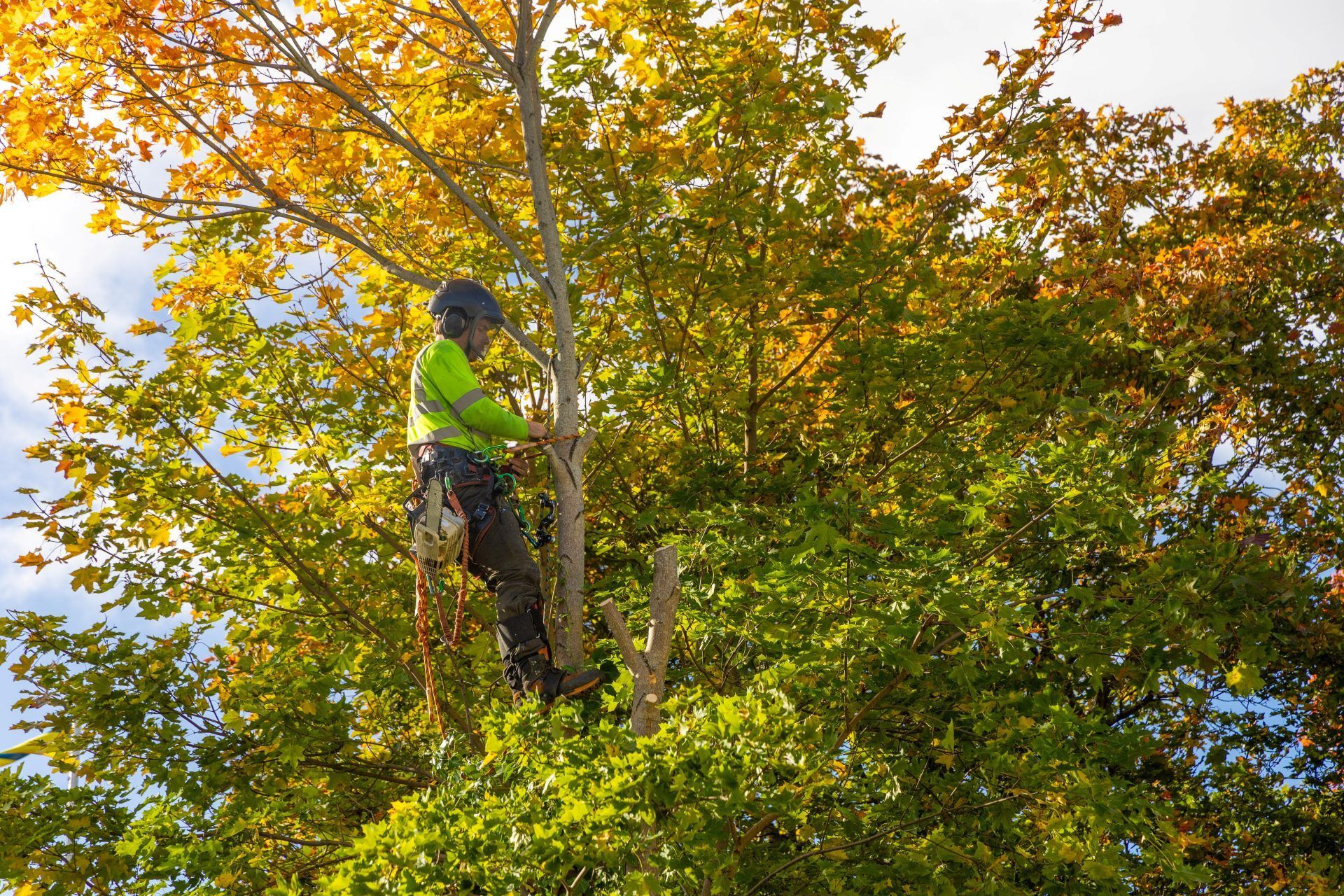
After thinning, remaining trees receive more sunlight, which promotes lower branch growth and thicker trunk diameter because they no longer stretch vertically to compete for light. The forest floor becomes visible and walkable, with clear sight lines through the grove that improve surveillance and reduce cover for pests and invasive species. Dead timber that posed falling hazards is removed, and brush piles that accumulated over years are cleared or chipped to eliminate fire fuel.
You can walk through the grove without pushing through undergrowth, and healthy trees show improved canopy development within a growing season as they expand into space previously occupied by removed specimens. In Iowa, where ice storms and high winds are common, thinned groves experience less storm damage because remaining trees have room to sway without striking neighbors and root systems develop more extensively in soil no longer dominated by competing growth.
Grove thinning focuses on tree removal and spacing, but it does not include stump grinding unless specified. Stumps can be left to decay naturally in wooded areas or ground flush if the cleared space will be mowed or replanted with different vegetation.
What Property Owners Usually Ask
Before thinning begins, most clients want to understand which trees should go and what the property will look like afterward.
What determines which trees are removed during thinning?
Weak, damaged, or diseased trees are removed first, followed by specimens growing too close to healthier neighbors. The goal is to leave well-spaced trees with strong structure and full crowns that will thrive once competition is reduced.
How does grove thinning reduce wildfire risk?
Removing dead wood, low branches, and dense undergrowth eliminates dry fuel that carries fire from the ground into tree canopies. Spacing trees farther apart prevents flames from jumping between crowns, which slows fire spread and reduces intensity.
What happens to the wood and brush after removal?
Trees with commercial value can be cut into logs for sale or milling, while smaller material is chipped for mulch or hauled off-site. Brush and slash are typically chipped or piled for burning if local conditions and regulations allow.
Can thinning be done without damaging the remaining trees?
Yes, equipment is sized and positioned to avoid root zones and trunk damage. Felling is directed away from trees that will remain, and skidding paths are planned to minimize soil compaction around preserved root systems.
When is the best time to thin a grove in Havelock?
Late fall through early spring is ideal because frozen or firm ground supports equipment without rutting, trees are dormant and less likely to suffer shock from root disturbance, and visibility is better with leaves off deciduous species.
Dirt Workz provides tree removal and selective grove thinning for properties where overgrowth, dead timber, or fire hazards require professional clearing. Request an estimate to review thinning goals, tree density, and debris handling preferences for your wooded acreage.