
Digging That Reaches Required Depth Without Collapse
Excavation Services in Havelock for projects requiring foundation trenches, utility lines, or drainage improvements where precision and soil stability matter
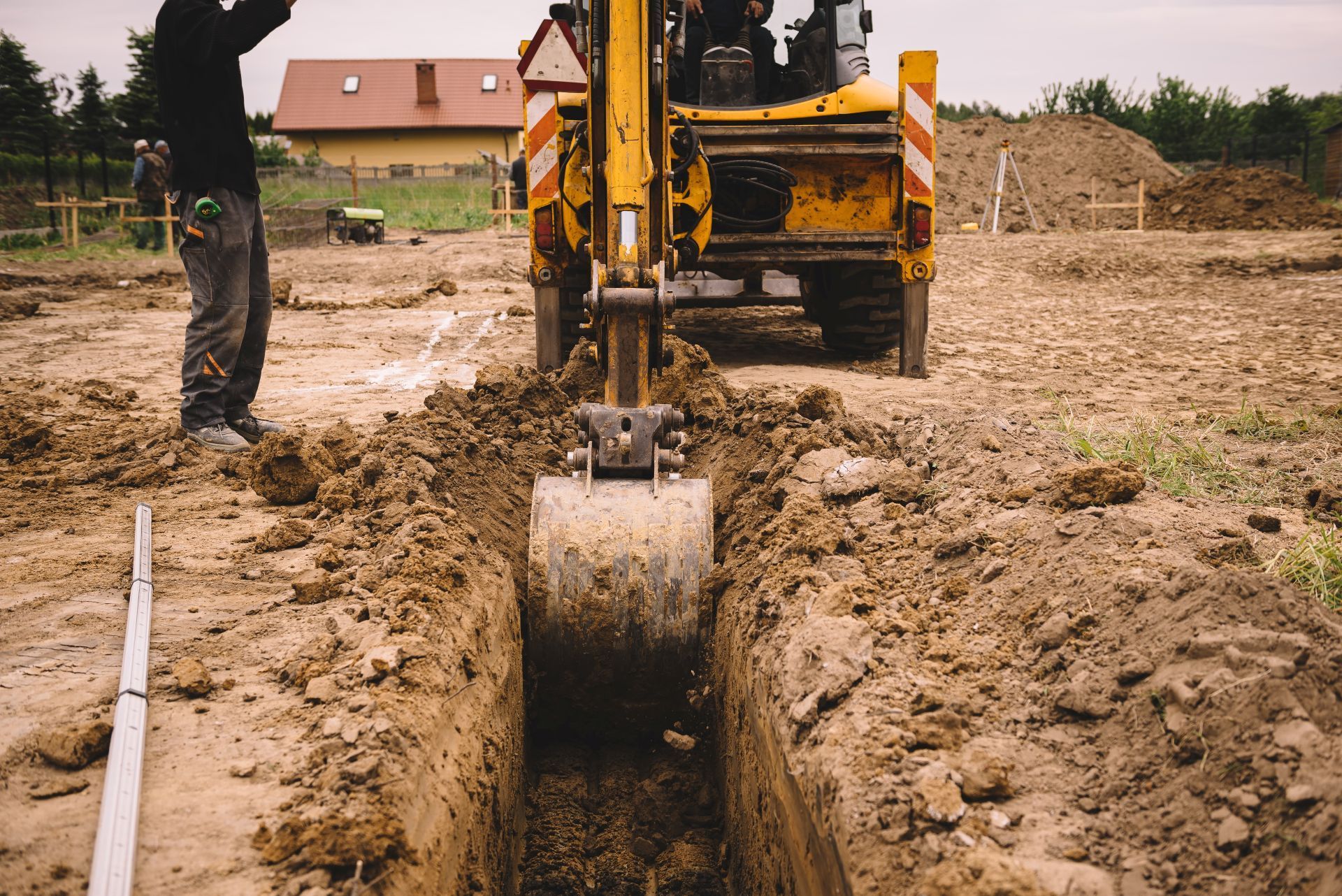
Excavation work creates voids in stable soil without undermining adjacent ground or leaving sidewalls that slough during backfill. Dirt Workz handles excavation in Havelock for residential and commercial projects where trenching for utilities, foundation excavation, or drainage improvements must meet depth and width specifications while preserving surrounding soil structure. The service addresses situations where hand digging is impractical due to depth or volume, where existing grade must be lowered for construction, or where subsurface drainage systems require precise slope to function correctly.
General excavation includes removing soil to specified depths and grades, shoring trench walls when required by depth and soil type, and stockpiling or hauling material depending on whether it will be reused for backfill. Foundation excavation exposes stable bearing soil at elevations determined by engineering plans, while utility trenching follows designed slopes to ensure gravity flow for drainage and sewer lines.
Request a site evaluation to identify underground obstacles, soil conditions, and access constraints before excavation begins.
What Proper Excavation Requires
Excavation depth and sidewall stability depend on bucket size, equipment reach, and soil cohesion. In Iowa clay soils, trench walls may stand vertically when dry but become unstable when saturated, so shoring or sloped sidewalls are often required to prevent cave-ins during utility installation. Depth is checked continuously against grade stakes to avoid over-excavation that would require structural fill to bring the surface back to specification.
Once excavation is complete, you will see clean, squared edges at the required depth, with spoil piles positioned to allow backfill or hauling without re-handling. Trenches for drainage systems slope uniformly to prevent low spots where water would pond and stop flowing, and foundation excavations expose undisturbed soil rather than loose backfill that would compress under footing loads.
Excavation includes removing soil and shaping the void, but it does not include utility installation, concrete placement, or engineered backfill compaction unless specified. Backfill is typically compacted in lifts similar to building pad construction to prevent future settling that could crack driveways or cause surface depressions.
Common Questions About This Service
Most questions about excavation involve timing, access, and what happens to the soil that is removed.
What determines whether excavated soil can be reused for backfill?
Soil containing organic material, large rocks, or clay clumps does not compact uniformly, so it is often replaced with select granular fill. Clean, dry soil free of debris can be reused if compaction testing confirms it meets density requirements.
How does Havelock soil affect trenching for utilities?
Clay soil holds trench walls well when dry, but it swells when wet and can crush rigid pipe if backfilled while saturated. Trenching is usually scheduled during stable weather when soil moisture allows clean cuts and proper backfill compaction.
What happens if excavation encounters rock or unexpected obstacles?
Rock requires different equipment or breaking before removal, which extends the timeline and may involve additional cost. Unexpected obstacles like old foundations or buried debris are removed and disposed of separately from clean soil.
How wide does a trench need to be for utility lines?
Width depends on pipe diameter and whether workers need access for installation. Most utility trenches are excavated wider than the pipe to allow bedding material below and proper backfill compaction around the line.
When should excavation be scheduled relative to other site work?
Excavation typically follows clearing and rough grading but precedes foundation work or paving. Scheduling during dry conditions prevents equipment from rutting surrounding areas and allows trenches to remain stable during installation work.
Dirt Workz provides excavation services for foundation prep, utility installation, and drainage improvements across residential and commercial sites. Schedule a property visit to review excavation scope, soil conditions, and equipment access for your project.